
Version Control
What is version control?
A process of tracking changes to a file or set of files over time so that you can recall specific versions later.
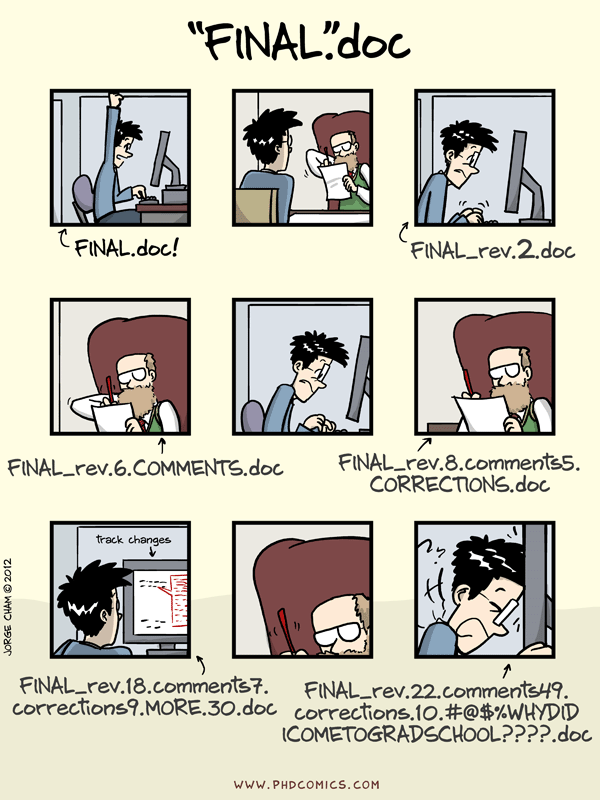
Git vs GitHub
- A system for version control that manages a collection of files in a structured way.
- Uses the command line or a GUI.
- Git is local.

- A cloud-based service that lets you use git across many computers.
- Basic services are free, advanced services are paid.
- GitHub is remote.
Git Repositories
Git is based on repositories.
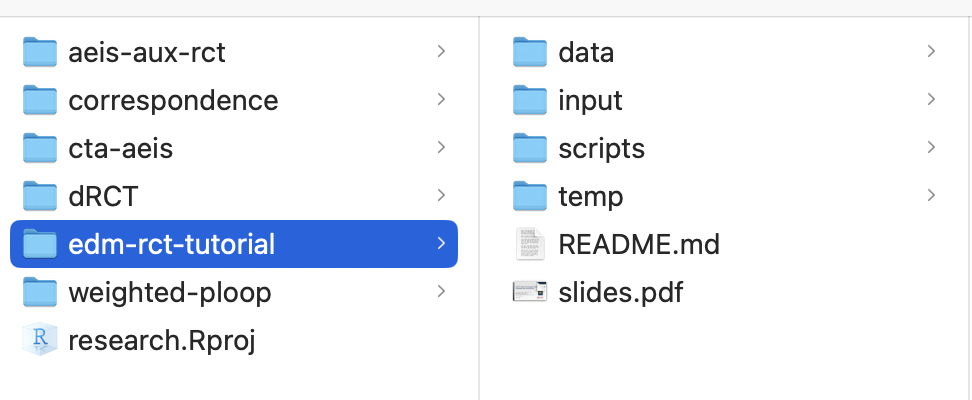
- Think of a repository (repo) as a directory (folder) for a single project.
- This directory will likely contain code, documentation, data, to do lists, etc. associated with the project.
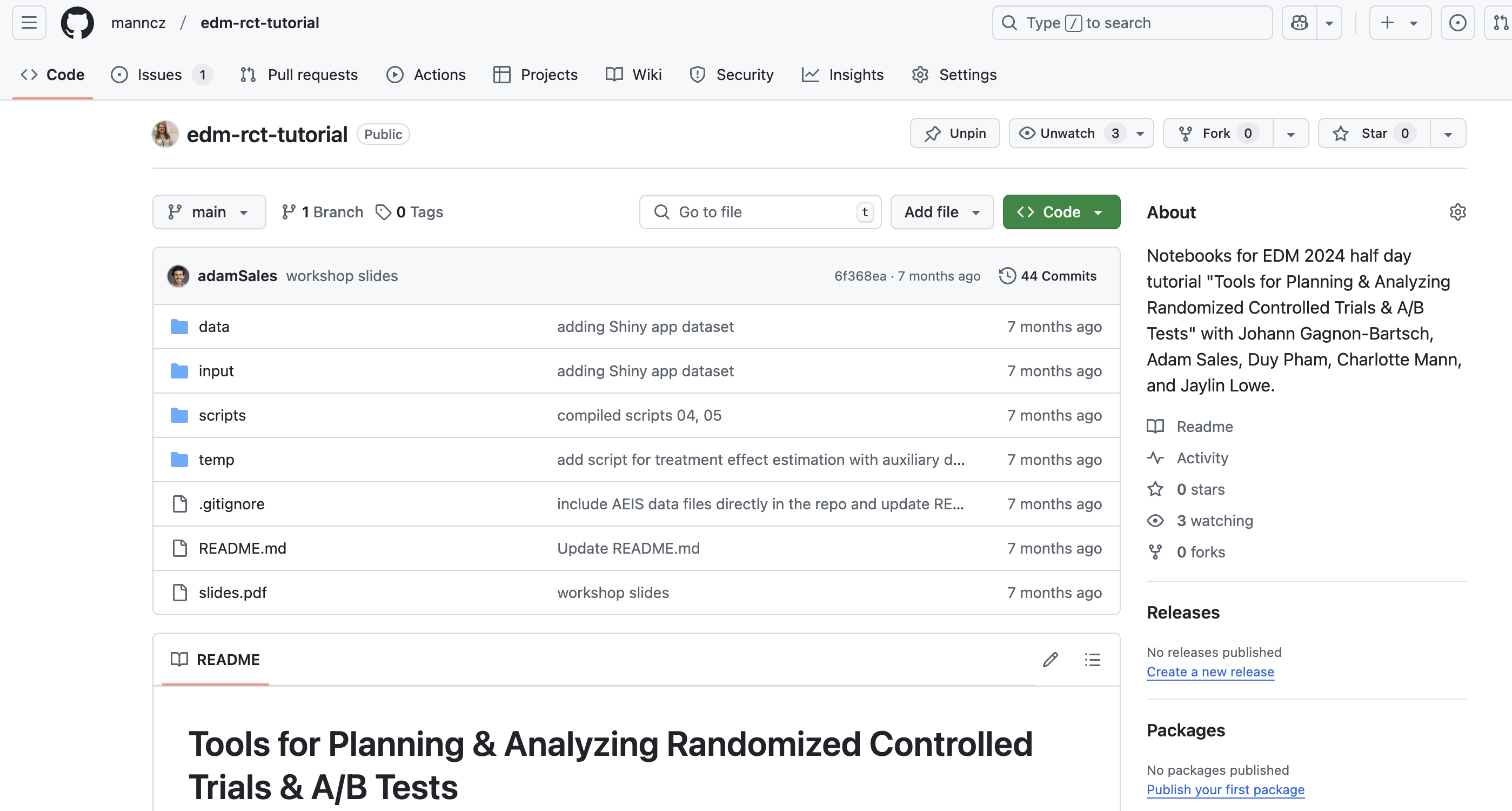
- You can link a local repo with a remote copy on GitHub.
- To create a repository, you can start with your local computer or you can start with the remote copy.
Git Repositories
.gitignore example
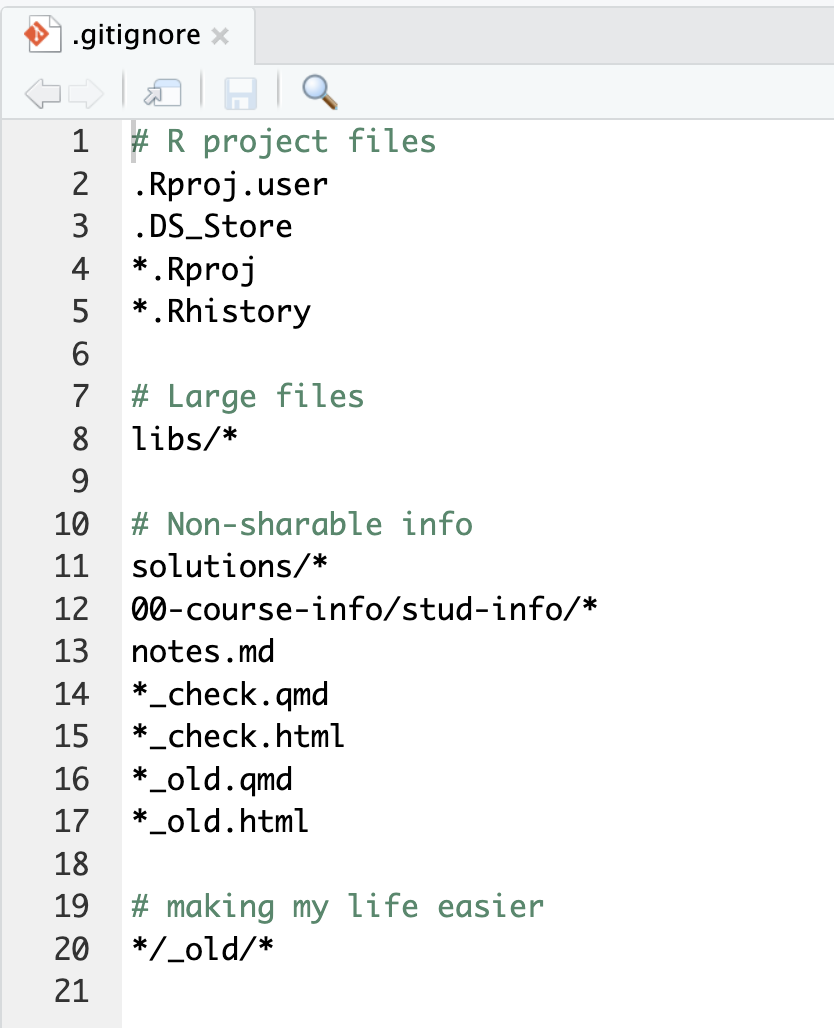
Dr. C’s .gitignore for her STAT 331 materials repo
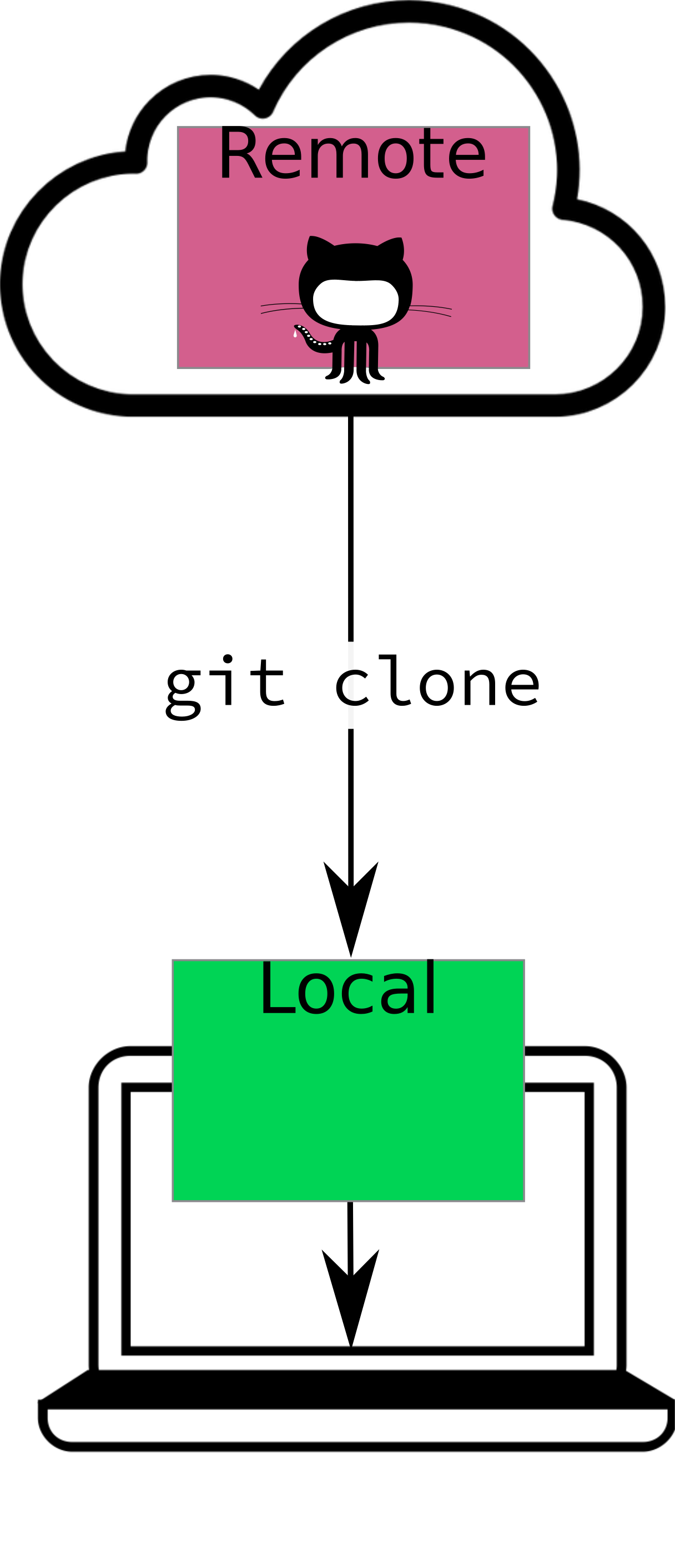
Cloning a Repo
Create an exact copy of a remote repo on your local machine.
(typically only done once at the beginning of a project.)
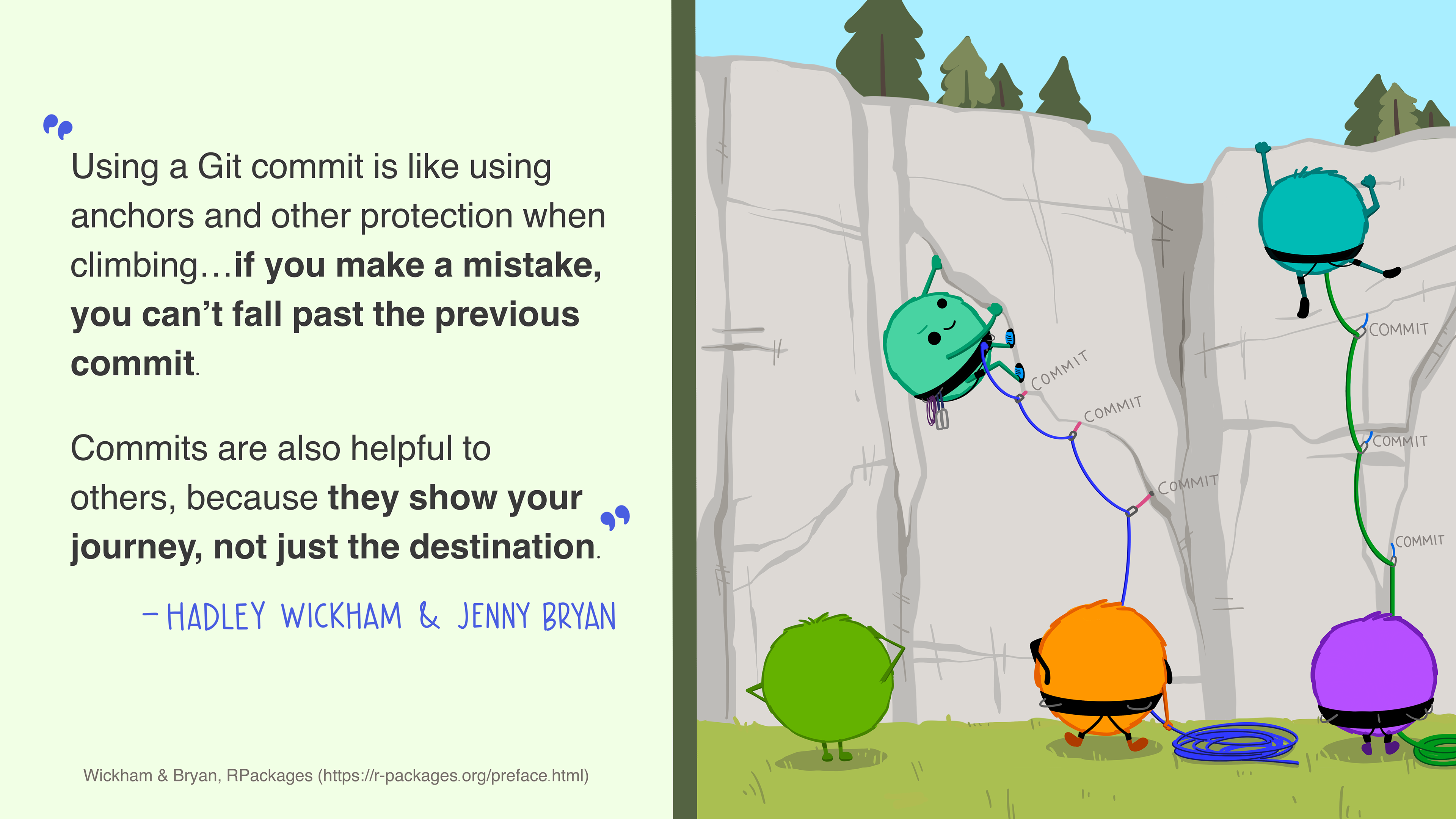
Committing Changes
Tell git you have made changes you want to add (save ✅) to the repo.
local action
Also provide a commit message – a short label describing what the changes are and why they exist.
The red line is a change we commit (add) to the repo.
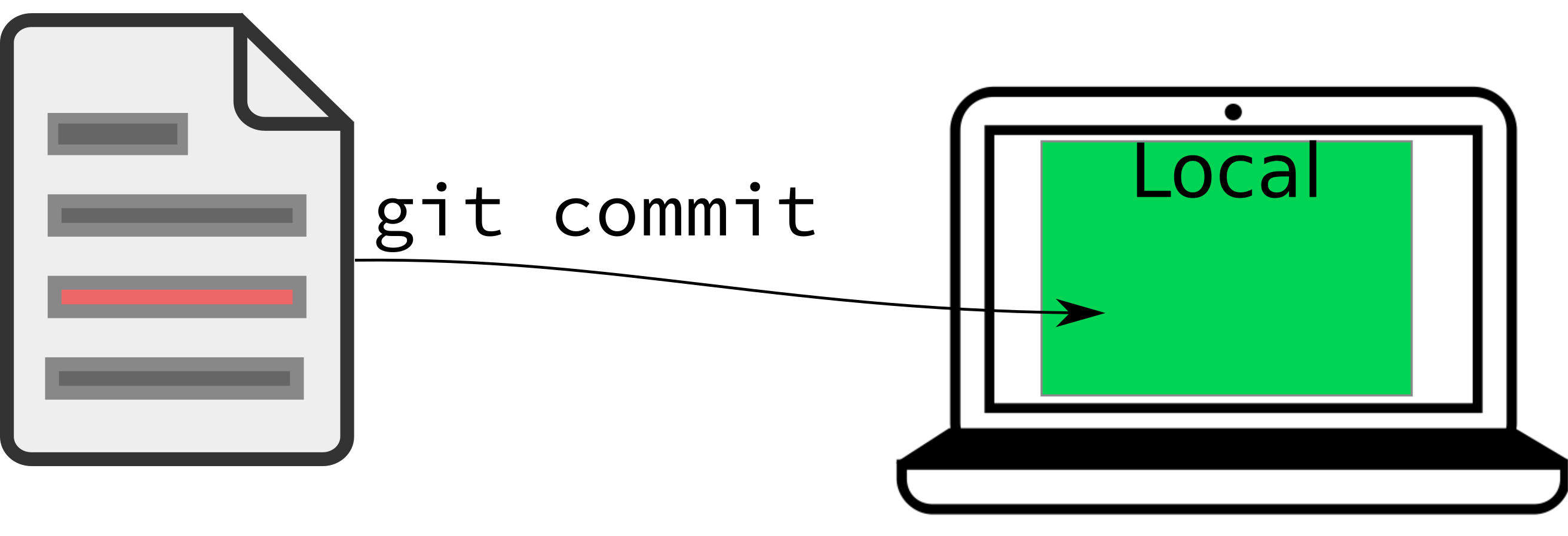
The log of these changes (and the file history) is called your git commit history.
- You can always go back to old copies!
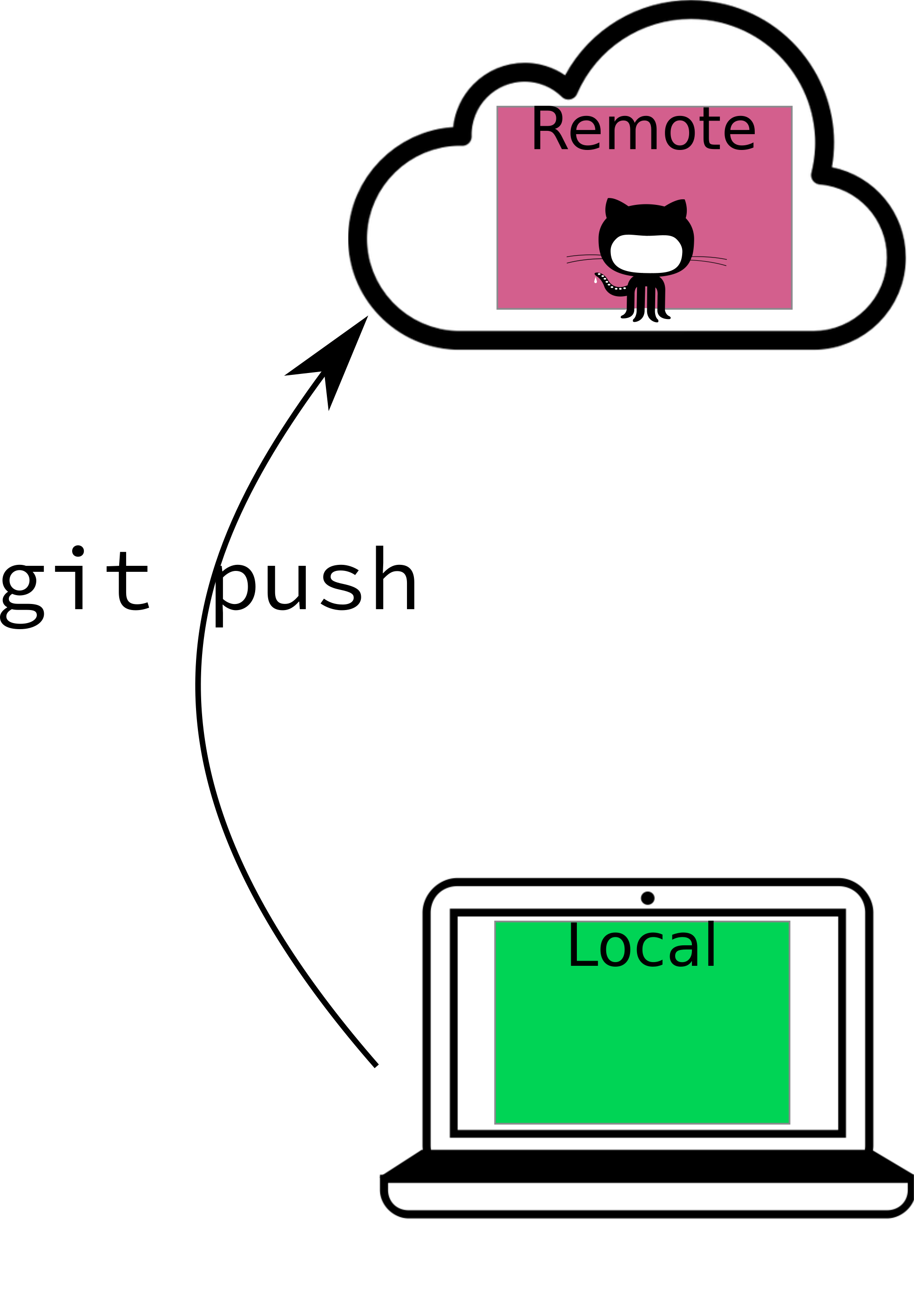
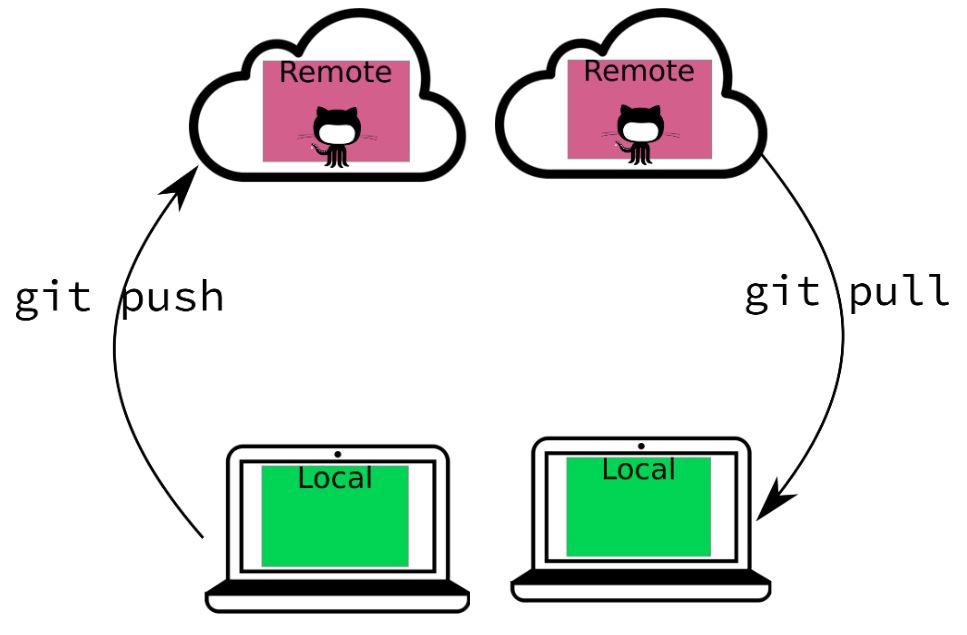
Pushing Changes
Update the copy of your repo on GitHub so it has the most recent changes you’ve made on your machine.
- local to remote ⬆ action
Pulling Changes
Update the local copy of your repo (the copy on your computer) with the version on GitHub.
- remote to local ⬇ action
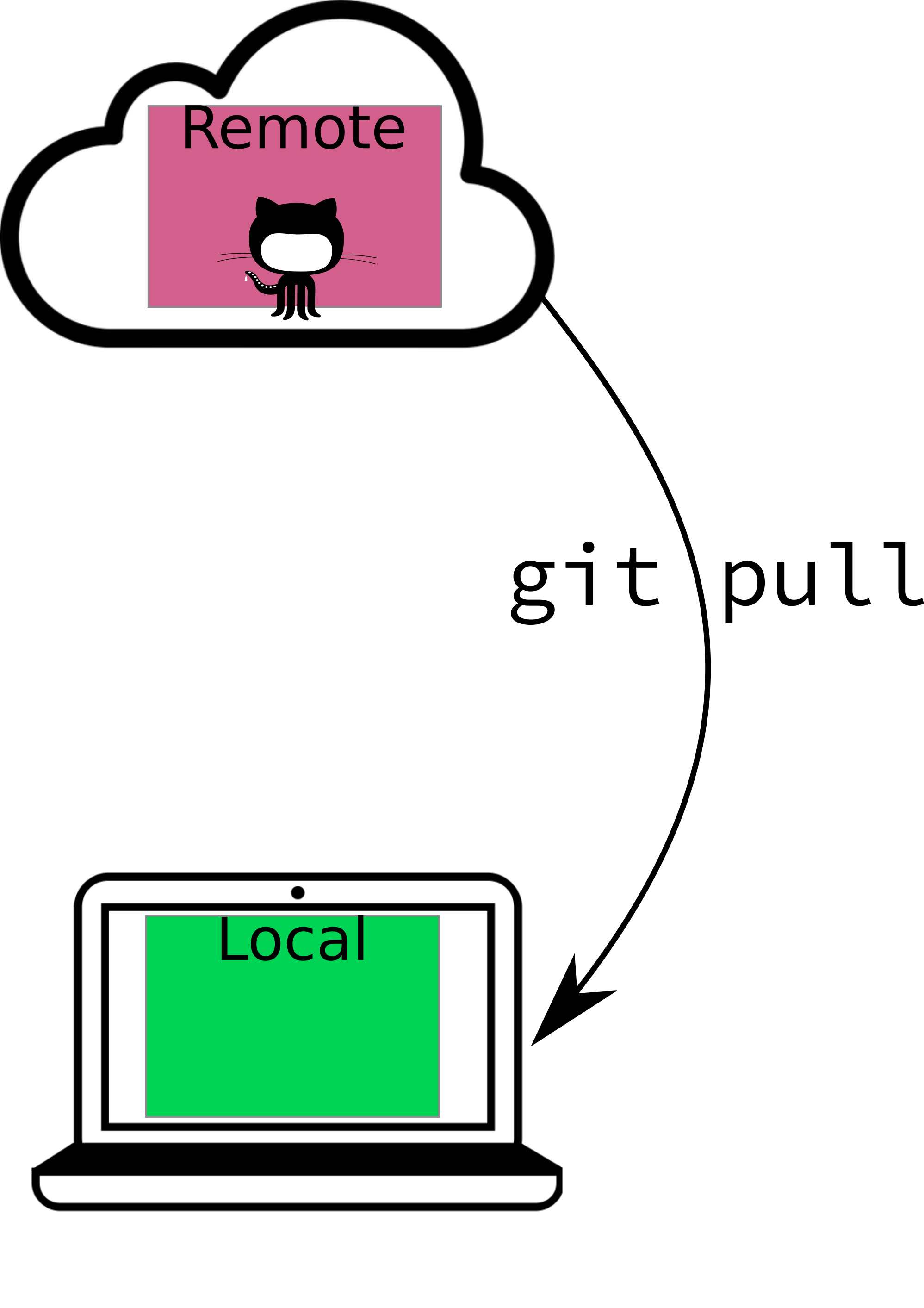
Pushing and Pulling
Artwork by Allison Horst
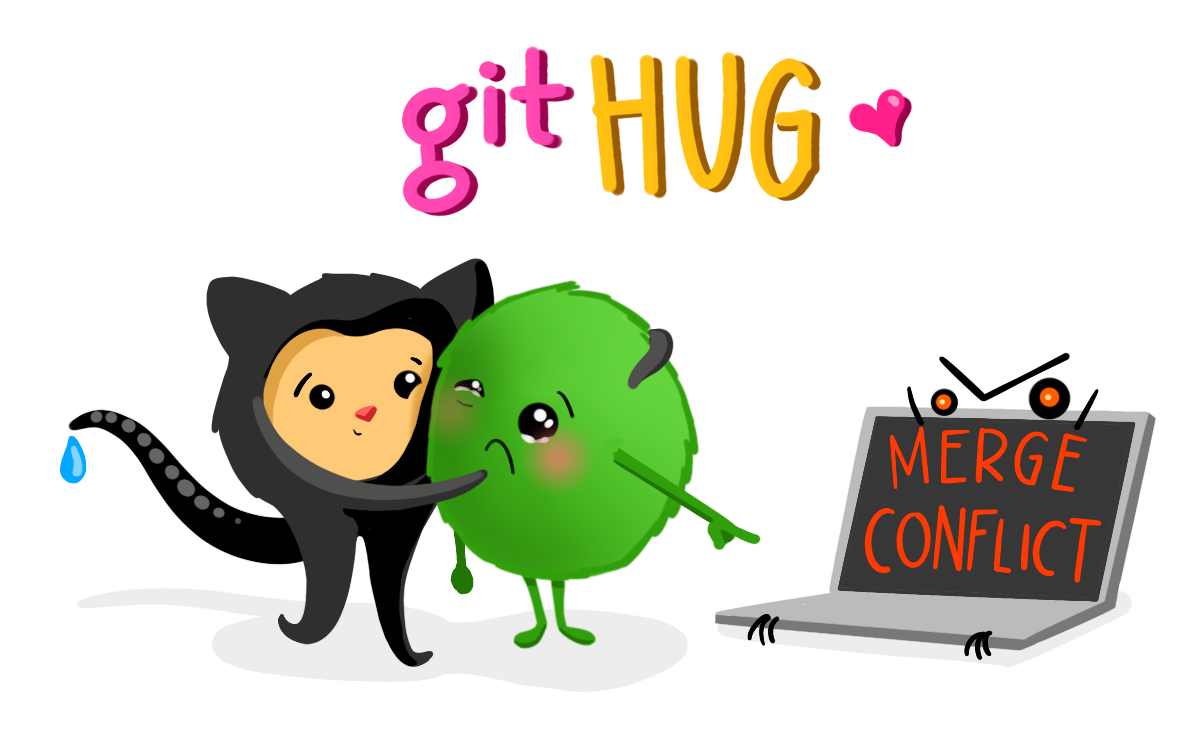
Merge Conflicts
These occur when git encounters conflicting changes.
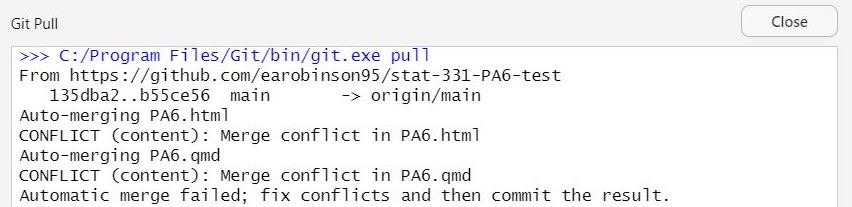
Merge Conflicts
We will work on resolving merge conflicts today!
But when all else fails…
Generate your Personal Access Token
- Generate a PAT.
- This will open GitHub and ask you to log in.
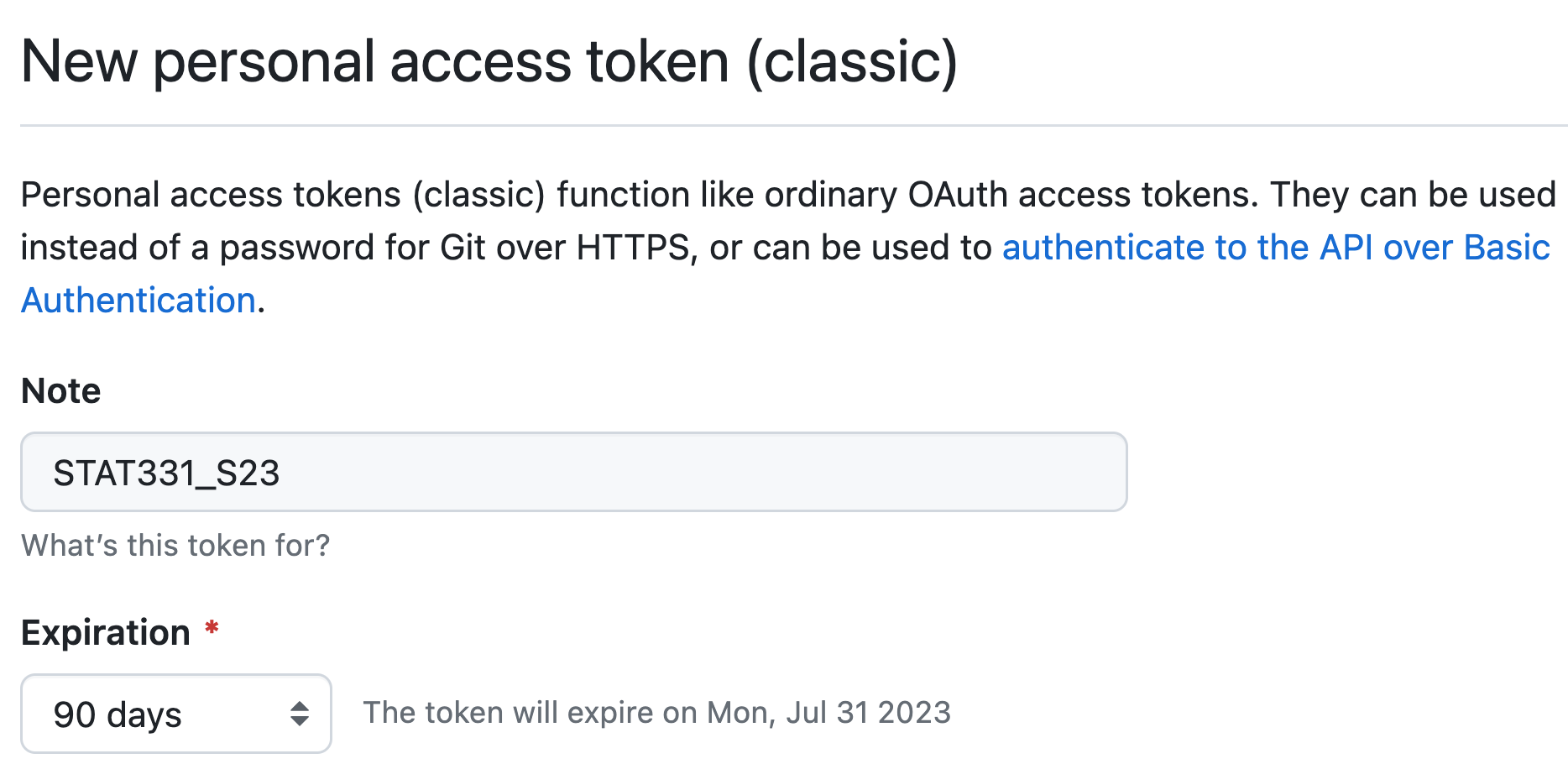
- Fill in a Note and an Expiration (AT LEAST 60 days from now).
- Click
Generate Token.
Store your PAT
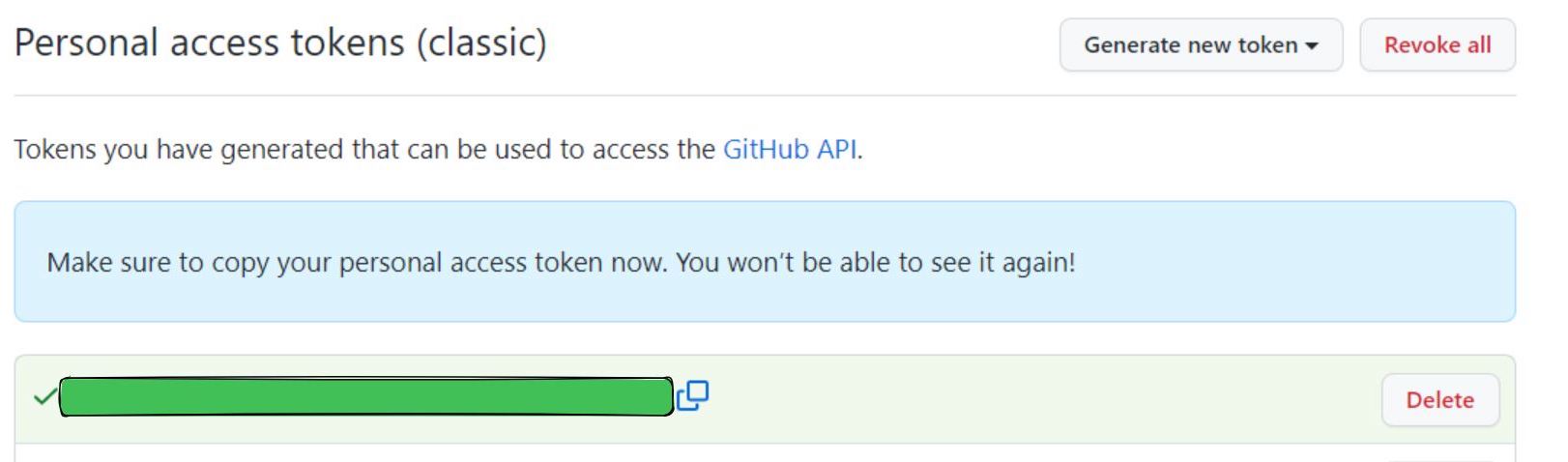
- Copy your PAT.
- Run the following code.
When prompted to Enter password or token:, paste your PAT.
Verify your PAT
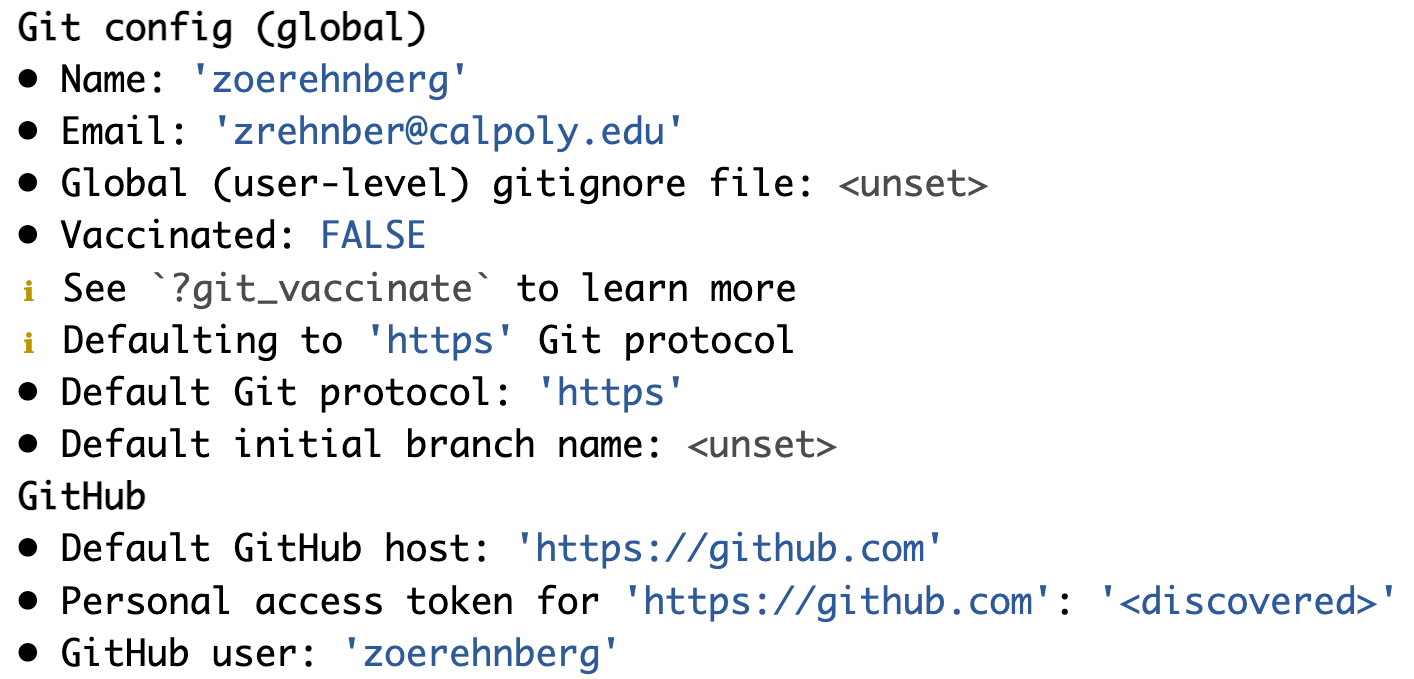
- Let’s verify.
PA 6: Merge Conflicts
You will be completing this activity in groups of 3-4.
IMPORTANT
This activity will only work if you follow the directions in the exact order that I have specified them. Do not work ahead of your group members!
Artwork by Allison Horst